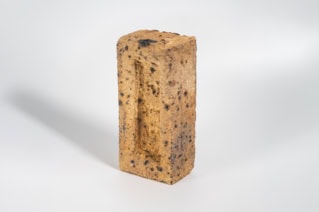

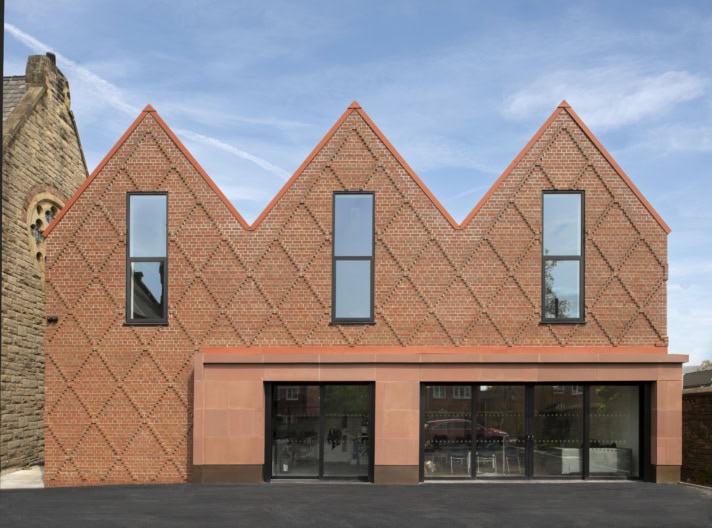
That is why brick testing standards matter. For architects, developers and specifiers, they provide confidence that a product has been assessed for performance, durability, consistency and safety before it reaches site.
In this article, we’ll explore how bricks are tested, what those tests mean and why quality is about much more than appearance alone.
What does brick quality actually mean?
Quality can be a difficult word to define because different projects need different brick characteristics. One brick might be selected for its texture and colour variation, another for its density, strength or performance in an exposed location.
Depending on the product, compressive strength can range significantly, as can water absorption. That does not mean one brick is simply ‘better’ than another. It means the right brick must be chosen for the right application.
In practical terms, brick quality is about suitability, durability, consistency and declared performance. A high-quality brick is not just one that looks good on day one, but one that performs as expected over the life of the building.
What are brick testing standards?
In the UK, clay masonry units are manufactured and assessed in accordance with BS EN 771-1, which sets out the characteristics manufacturers must declare for their products. These characteristics are verified through standardised testing, primarily using methods from the BS EN 772 series, helping specifiers compare products and assess their suitability for different applications
Michelmersh provides detailed clay brick technical information across its product range, including durability, tolerance and performance classifications. These details are especially important at the specification stage, where the wrong assumption can affect the appearance, longevity or performance of the finished brickwork.
Product data is also supported by Declarations of Performance, which provide formal documentation of declared characteristics.
The main tests behind modern bricks
Compressive strength
Compressive strength measures the load a brick can withstand before failure. Although, in many modern cavity wall constructions, the outer leaf is not the primary loadbearing element, compressive strength remains an important declared characteristic.
It helps specifiers understand the brick’s mechanical performance and suitability for different construction details, especially where brickwork is used above openings, in external works or in more demanding applications.
Water absorption
Water absorption measures how much moisture a brick can take in. This matters because brickwork is exposed to rain, frost, wind and changing temperatures throughout its life.
A more absorbent brick may be perfectly suitable in one application, while a denser brick may be preferred in a more exposed location. In severely exposed conditions, specifiers may choose bricks with lower water absorption and appropriate durability classifications to reduce the risk of prolonged saturation and moisture-related deterioration.
Water absorption can also affect how the brick interacts with mortar. If a very dry, absorbent brick draws water out of the mortar too quickly, it can affect the curing process.
This is one of the reasons technical data should be considered alongside site practice, mortar choice and workmanship.
Freeze-thaw resistance
Freeze-thaw resistance is one of the most important durability considerations for external brickwork. When water enters a material and freezes, it expands. Over repeated cycles, this can place stress on the brickwork.
Bricks are therefore classified for frost resistance, helping specifiers select products suitable for the expected exposure conditions. For external walls, landscaping, detailing and exposed brick features, this is a vital part of long-term performance.
Soluble salts
Soluble salt content is another important test because it can affect the appearance of finished brickwork. If brickwork becomes saturated, salts can dissolve into the water. As the brickwork dries, these salts may migrate to the face of the brick, contributing to efflorescence or staining.
Low soluble salt content can therefore support a better aesthetic outcome, helping brickwork retain the intended appearance as it weathers.
Dimensional tolerances
Brickwork relies on consistency. Dimensional tolerance testing measures the size of bricks and the range of variation within a batch.
Tighter tolerances can help create a more consistent wall, particularly where crisp detailing, regular bond patterns or precise elevations are required. Good workmanship still plays a vital role, but consistent sizing gives bricklayers and contractors a stronger foundation to work from.
Reaction to fire
Fired clay brick is a non-combustible ceramic material and typically achieves the highest reaction-to-fire classifications, providing reassurance for specifiers and end-users. Declared fire performance helps architects and developers understand its suitability within the wider construction specification.
Why testing matters for architects and developers
For architects, declared performance supports more informed specification. It helps ensure the chosen brick suits the design intent, exposure level and technical requirements of the building. For developers, it helps manage risk by supporting durability, consistency and long-term value.
Testing also supports visual quality. Size, colour range, soluble salts and water absorption can all influence how brickwork appears once built. A brick may be selected for its colour and texture, but quality control helps ensure that character is delivered consistently across the project.
Quality beyond compliance
Standards provide the baseline, but quality also depends on careful manufacturing and ongoing checks.
At Michelmersh, products are tested regularly to support consistency, particularly because clay is a natural material and its characteristics can vary. After firing, bricks are checked for colour consistency, shape and size before being classified. This helps ensure products meet the agreed aesthetic and technical expectations before they are supplied.
As a PLC, Michelmersh also works within established management and manufacturing processes, including ISO 9001 and responsible sourcing commitments. You can find more information our company policies and certificates.
Choosing bricks with confidence
The right brick is not chosen by appearance alone. Colour, texture and bond pattern are important, but so are frost resistance, water absorption, tolerance, strength and declared performance.
By understanding brick testing standards, architects and developers can specify with greater confidence, balancing design ambition with technical assurance.
To explore suitable products for your next project, browse Michelmersh’s full clay brick product range or use BIM data for Michelmersh products to support specification.